Using recycled ETP and STP water to irrigate gardens
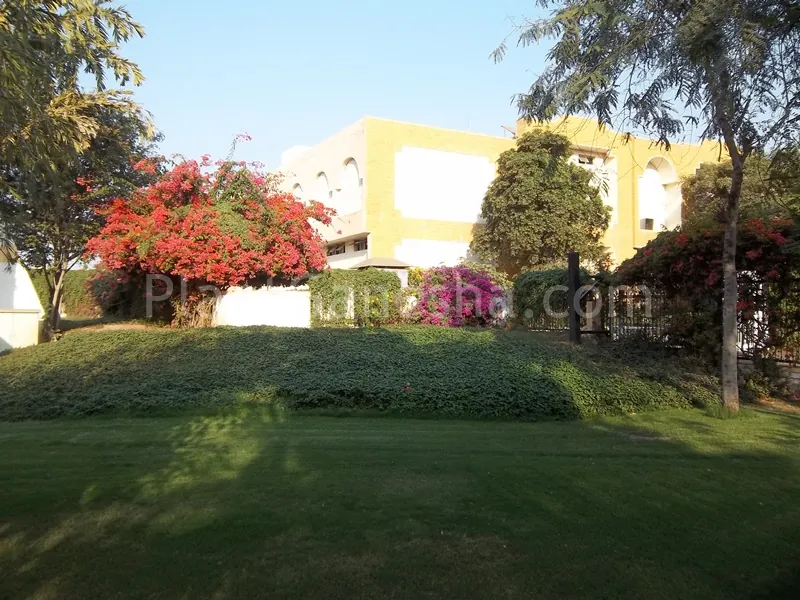
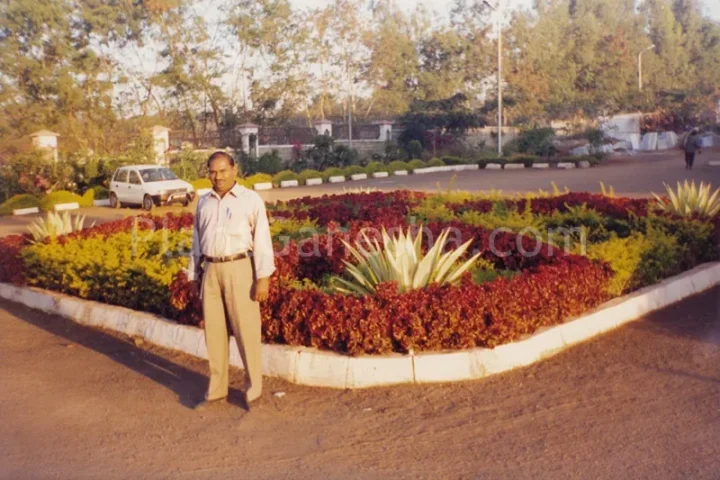
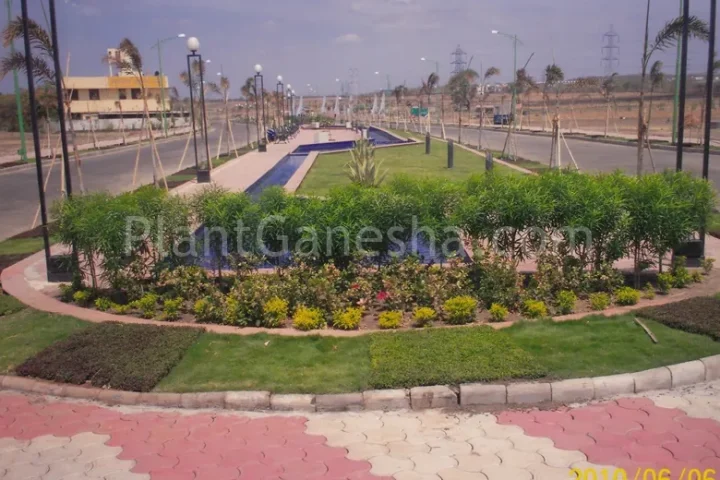
At Century Yarn & Denim in Khargone, we used recycled water from the effluent treatment plant to irrigate a 105-acre estate with 80,000 sq m of lawn and 15,000 trees. It significantly reduced freshwater consumption. Today, with water scarcer and costlier, every factory, township and hotel with a treatment plant should consider it.
Start with the water report
Ask for regular test results for pH, total dissolved solids, sodium, chlorides and any process-specific contaminants. These decide which plants will be happy and which irrigation method is safe. Treated water that meets discharge norms is not automatically ideal for every plant.
Filter well
Sand and disc filters protect drippers and sprinkler nozzles. Without proper filtration, recycled water will block emitters within weeks.
Pick tolerant plants
Many hardy trees, hedges and warm-season grasses tolerate moderately saline water; delicate ornamentals may not. Use recycled water for green belts, avenues and large lawns, and keep a freshwater line for sensitive beds and the nursery.
Monitor the soil
Test soil once or twice a year for salt build-up. Organic compost, gypsum where needed and occasional leaching with good-quality water keep the soil healthy over the long term.
Want to use treated water on your campus? Corporate & industrial campus landscaping.