Multi-zone irrigation for large gardens: lessons from a 33-acre estate
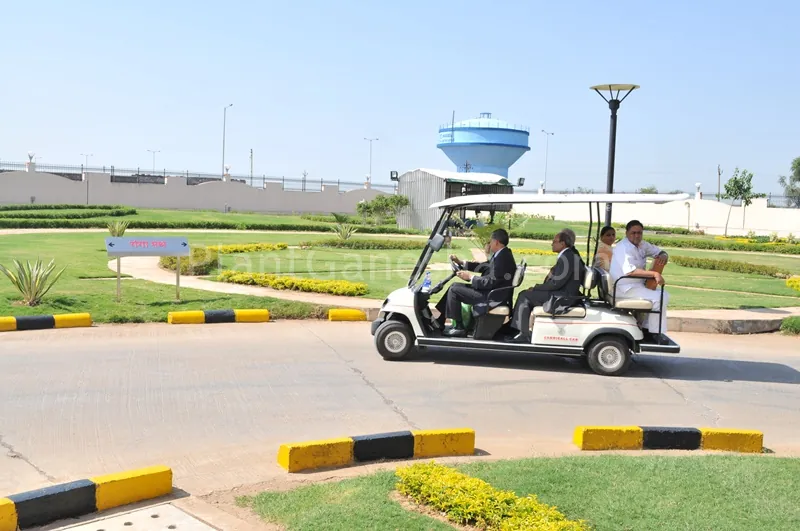
On a big campus, irrigation decides whether the landscape thrives or slowly declines. At Birla Century in Bharuch we irrigated 33 acres with four different systems — 10 acres of pop-up sprinklers, 11 acres of ZM, 15 acres of drip and 7 acres of micro-sprinklers. Here is how to think about the same choices on your site.
1. Zone by plant, not by plot
A lawn, a hedge and a mature tree need completely different amounts of water at different times. The most common mistake is one system for everything — lawns end up dry while shrub beds rot. Start the design by drawing hydrozones: lawns, shrub and hedge lines, tree belts, flower beds and nursery areas. Each becomes its own irrigation zone with its own schedule.
2. Choose the right system for each zone
- Pop-up sprinklers for formal lawns and frontage — invisible when off, even coverage when on.
- Drip for hedges, shrubs, trees and orchards — water goes straight to the roots, weeds get less.
- Micro-sprinklers for flower beds and groundcover where drip lines would be impractical.
- Rain guns for large open lawns and plantations where cost per acre matters most.
3. Know your water before you buy pipes
Measure the yield of your borewell or supply, its pressure and its quality. Hard or saline water clogs drippers; treated effluent needs filtration and careful plant choice. At Century Yarn & Denim in Khargone we used recycled ETP water for irrigation, which significantly reduced freshwater use — but only because water quality, filtration and planting were planned together.
4. Lay irrigation before you plant
Mains, valves and sleeves under roads and paths should go in with the civil works. Retro-fitting pipes under a finished lawn or paving costs several times more.
5. Schedule for the season
In central and western India the irrigation calendar changes dramatically: daily cycles in May, almost nothing in a good monsoon, moderate in winter. Water early in the morning, adjust run-times monthly and train the team to check for leaks and blocked emitters every week.
Planning irrigation for a campus, township or hotel? See irrigation design services or ask for a site review.